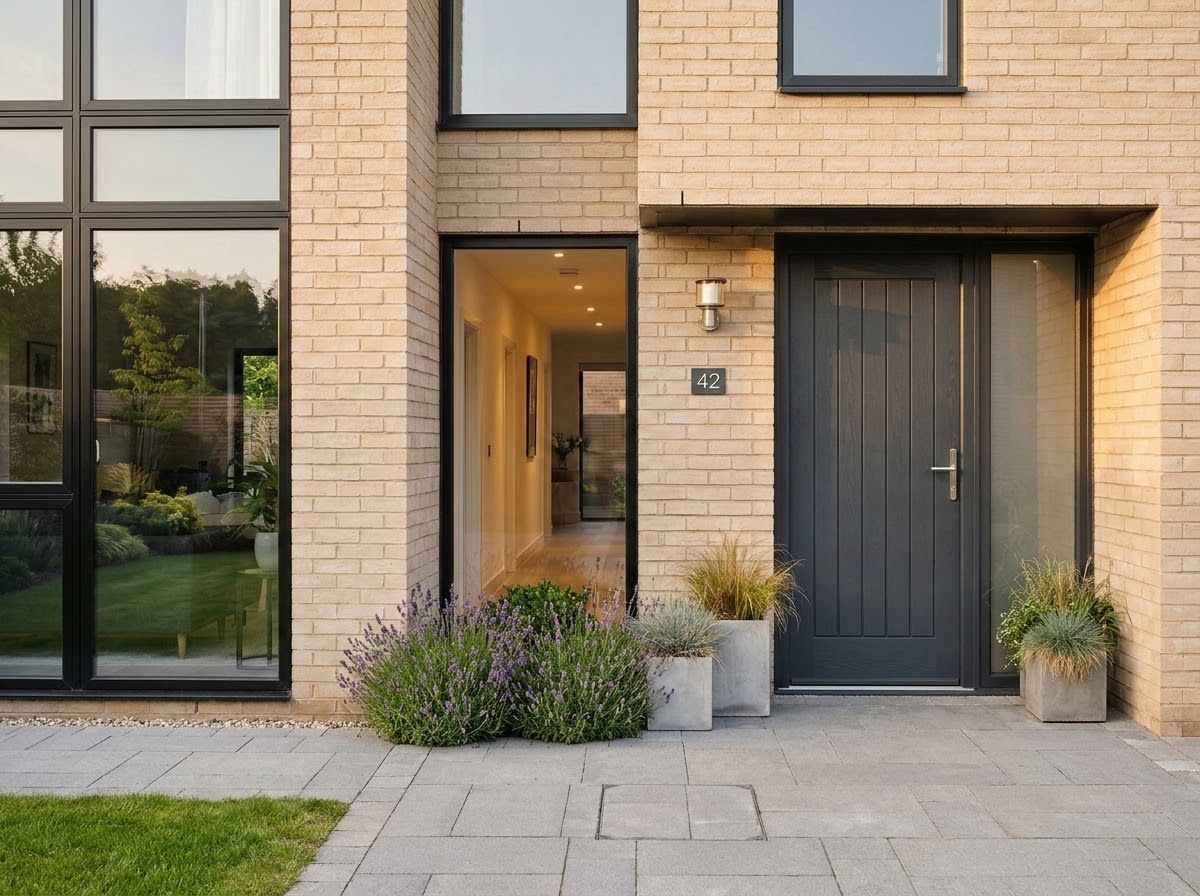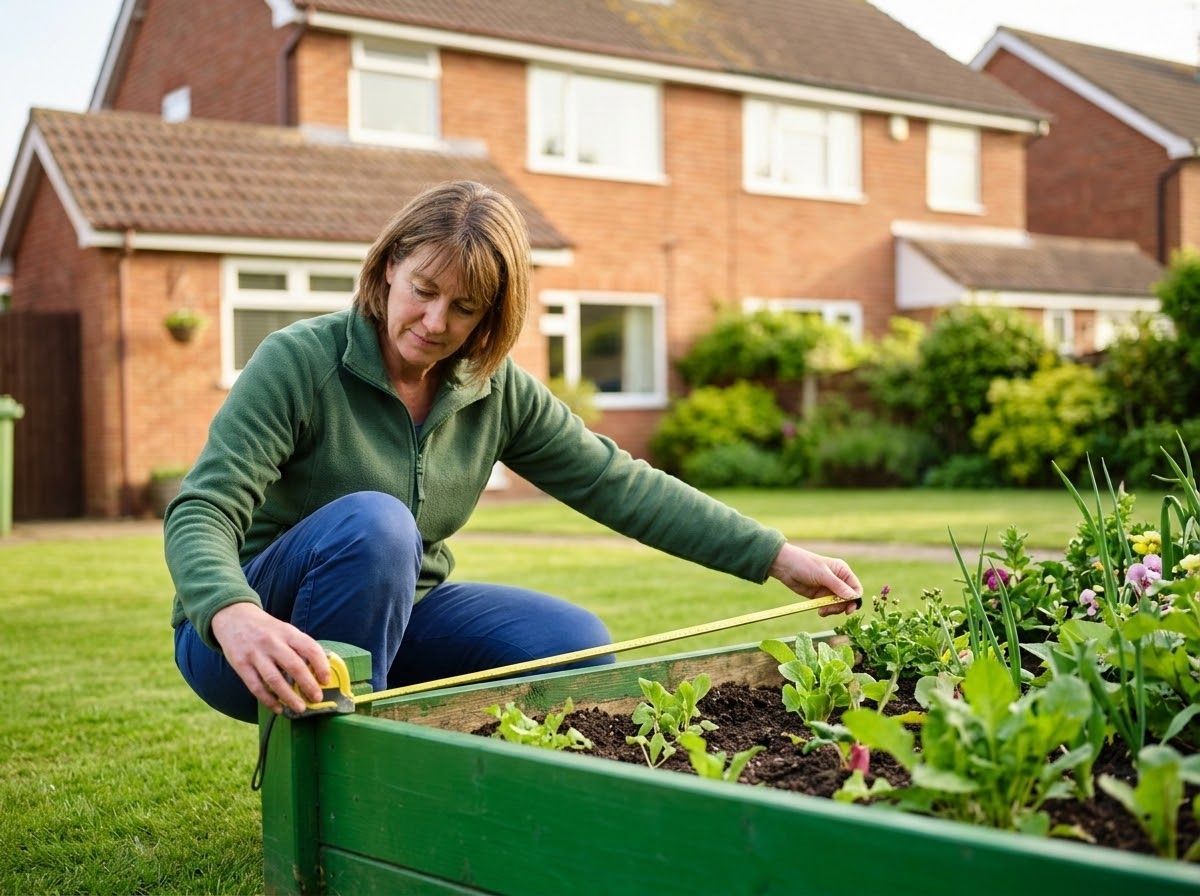



Buying a home is much more than simply picking the right house. It’s also about evaluating the neighbourhood and considering how its surrounding factors, from local conveniences to development plans, could shape your daily life, property value, and overall homeownership experience. What seems like the perfect place can have unexpected downsides based on accessibility, amenities, infrastructure, and community vibes.
Before making an offer, take the time to look beyond the house facade. Here are 10 essential tips for determining whether a neighbourhood is truly the right fit and has the potential to increase in value.
1. Research Local Housing Market Trends
Start by exploring recent prices in the area, comparing similar properties rather than focusing solely on the asking price for the house in question. Research how prices have changed in recent years and whether houses typically sell quickly in the neighbourhood. This information can help gauge whether you’re paying fair value and if the neighbourhood is poised for growth.
2. Visit Multiple Times a Day
A neighbourhood can feel significantly different at different times. Visit the area in the morning, afternoon, and evening, and, if possible, on a weekend. Pay attention to traffic, noise, parking, pedestrian activity, and overall atmosphere. A seemingly peaceful street can become quite busy when people are commuting or heading out on a weekend evening.
3. Consider Transportation and Accessibility
Consider how easy it will be to get to work, school, shopping areas, and other places you regularly visit. Look at nearby roads, public transport, cycling routes, and pedestrian access. Good connectivity can significantly increase your convenience, and it will also likely make it more appealing to potential future buyers or tenants.
4. Investigate neighbourhood Amenities
Consider the availability of grocery stores, restaurants, doctors, schools, gyms, libraries, parks, and any other services you rely on. Even if all of them aren’t right outside your door, a good cluster of essential amenities can save you a lot of time, making daily life much easier. An increasing number of businesses moving into the area may also indicate it’s becoming more established.
5. Understand Future Development Plans
Look beyond what the neighbourhood is today and consider its potential development over the next five to 10 years. Are there any planned construction projects for homes, roads, offices, retail areas, or even parks?
Commercial investment can sometimes bring employment opportunities, improved amenities, and better infrastructure to an area. For example, businesses such as Investa Commercial Real Estate show how commercial property investment can connect to broader changes in workplaces and urban environments.
6. Analyse the neighbourhood Character
Some neighbourhoods are urban, others suburban; while some are lively, others quiet. Consider the environment that best suits your lifestyle. Notice the upkeep of surrounding homes, the presence of green spaces, street design, home styles, and how people interact in public areas. A neighbourhood that aligns with your taste will be more likely to feel comfortable long-term.
7. Evaluate Local Schools and Family Facilities
If you have or plan to have children, schools and family facilities matter. Not only will you want to research nearby schools, childcare services, playgrounds, libraries, and recreation centres, but you’ll also want to consider accessibility, enrollment areas, and whether local facilities are being improved to accommodate future growth.
8. Examine Safety and Environmental Factors
Check crime statistics and, if possible, chat with residents. Look for potential environmental hazards, such as flooding, drainage issues, nearby industrial areas, or heavy road traffic. Driving through or walking around the neighbourhood after heavy rain can sometimes reveal hidden drainage problems not apparent during a standard viewing.
9. Talk to the Locals
For honest and insightful information about what living in the neighbourhood is actually like, talk to people who already live there. They can offer practical, unfiltered advice on noise levels, parking availability, local services, traffic concerns, community events, or any persistent issues they’ve experienced.
10. Assess Long-Term Potential
Lastly, think about the neighbourhood’s future. A home is part of a larger ecosystem. Consider what the potential development, new transportation options, commercial investments, and general infrastructure improvements or lack thereof might do to influence the neighbourhood’s long-term appeal. Does it appear stable, or does it have growing momentum and solid investment backing?
A neighbourhood with sensible development, useful amenities, good connectivity, and strong demand may offer better long-term prospects than an area that looks attractive but lacks investment or infrastructure.
Endnote
When assessing a neighbourhood, avoid focusing mainly on bedrooms, bathrooms, floor plans, or price. Remember, your neighbourhood can affect your everyday life and even your home’s future value. That’s why the community should be a crucial piece of the puzzle when buying a home.
Take the time to explore neighbourhood prices, take a few tours at different times of day, look up any planned developments, search for amenities, and talk to current residents. Most importantly, make sure the neighbourhood suits your current needs and your future life.

 POSTED BY