




Fire is a devastating incident that can occur for countless reasons, but for homeowners, the threat often comes from familiar, day-to-day sources. From a forgotten pan on the hob and electrical appliance faults to poorly maintained chimneys and outdated wiring, a home fire can escalate rapidly. In the face of such a crisis, the ability to prevent a fire from spreading relies heavily on quick, coordinated action, and critically, on having reliable water support in place.
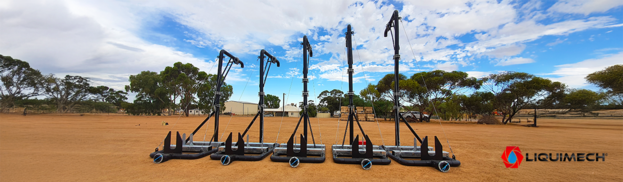
While the primary focus of home fire safety is on early warning systems like smoke and carbon monoxide alarms, and a well-rehearsed family escape plan, understanding how water reaches your property in an emergency is an essential, yet often overlooked, layer of defence. For large-scale industrial operations, specialised commercial equipment like standpipes and water carts is the gold standard for resource deployment. Equipment such as a water standpipe, which delivers water where it is needed, or a water cart, which brings water supply to hard-to-reach areas, can make or break a fire response. These tools enable professional responders to work efficiently, safely, and without delay.
With that professional insight in mind, this article will help you translate the core functions of these specialised resources into practical steps for your own property’s fire preparedness.
1. The Residential Standpipe Equivalent: Fire Hydrants and Water Mains
In a large facility, a standpipe provides firefighters with a fixed, high-capacity, on-site water supply. Equipped with pumps and valves, it ensures water is available immediately throughout the property.
Residential Relevance: Your Municipal Hydrant
For the average homeowner, the municipal fire hydrant on your street is the direct equivalent of an industrial standpipe. It is the fire department’s high-capacity water access point, providing the massive volume and pressure required to save your home.
- Access is Critical: Firefighters lose precious minutes if overgrown bushes, snow, rubbish bins, or parked cars block a hydrant. You must ensure the hydrant nearest your home is always accessible and clearly visible. Local ordinances usually require a clear space (often three feet or one metre) around the hydrant. Taking the time to keep this area clear is a selfless act of community safety that benefits you and your neighbours.
- Know Your Water Shut-Off: While you rely on the hydrant for the fire brigade, you should also know the location of your home’s internal and external main water stopcocks. If a fire breaks out and compromises your internal plumbing, or if a burst pipe causes flooding, knowing how to turn off your water supply immediately can prevent catastrophic secondary damage to the structure and electrical systems. This is crucial knowledge for any homeowner.
- Water Pressure Check: The efficiency of the firefighting operation hinges on the water pressure delivered through the municipal main. If you notice persistent, unusually low water pressure in your home, it is a problem that should be investigated, as it may indicate an issue with the local supply that could impact emergency services. Low pressure can also affect the effectiveness of your own home appliances.
- Sprinkler Systems: For modern homes or those with significant extensions, a residential sprinkler system acts as the ultimate on-site standpipe. These systems deliver water directly to the source of a fire instantly, often extinguishing it before the fire department arrives. While an investment, they are one of the most effective safety upgrades you can make.
2. Mobile Support for Remote Areas: The Water Cart Principle
Many properties, particularly those in rural, remote, or semi-rural settings, are not connected to a municipal water line or are too far from the nearest fire hydrant to rely on it entirely. In these cases, a mobile water source—following the “water cart” principle—becomes absolutely vital. This is especially true in areas prone to heatwaves and bushfire risk, where reliance on fixed water resources can be inadequate.
Water Sources for Rural Homeowners
If your property is in an area with less robust water infrastructure, you need a pre-planned, static, or mobile water supply.
- Ponds, Pools, and Cisterns: For homes with a swimming pool, large pond, or a dedicated fire cistern, these are immensely valuable resources. Modern fire engines can often deploy a ‘dry hydrant’ or use portable pumps to draft (suck) water directly from these sources. Work with your local fire department to ensure clear, all-weather access to these water bodies. A well-maintained pool can literally save your house.
- Rainwater Harvesting: Large-capacity rainwater harvesting systems can also serve a dual purpose. While primarily for garden irrigation or domestic use, they can provide a crucial initial water supply for localised emergencies or for pre-wetting an area during a wildfire threat. This is especially relevant for homeowners Transforming Muddy Garden Patches Into Usable Outdoor Living Areas who are already focused on water management and property drainage, transforming muddy garden patches into usable outdoor living areas. Check with your local council on the necessary regulations for fire-use tanks.
- Water Storage Tanks: If you are off-grid or in a remote area, having dedicated, large-capacity static water tanks is non-negotiable. These must be easily accessible to a fire truck and clearly marked. They extend the operational capability of the first-arriving engine, buying crucial time until additional resources can arrive.
3. Complementing Equipment with a Defensible Space
In industrial settings, water resources must be integrated into the site’s layout. For homeowners, this means preparing the immediate area around your property to reduce fuel and slow the fire’s spread. This is known as creating a defensible space. The water on site is only as useful as the access to the fire is clear.
Water-Wise Landscaping and Fire Breaks
In fire-prone areas, water resources must be integrated with the landscape design.
- The First 10 Metres: The immediate area around your home (Zone 1, typically 0 to 10 metres) should be entirely free of flammable materials. This includes woodpiles, dry grass, and dense shrubs. Instead, opt for hardscaping or low-flammability, ‘fire-wise’ plants. When making Making Smart Investments in Exterior Home Features like patios and walkways, consider the fire-safety aspect of the materials you choose (e.g., concrete vs. wood decking).
- Roof and Gutter Maintenance: An often-overlooked factor is the debris that accumulates in your gutters and on your roof. Dry leaves and pine needles are highly flammable and can be ignited by embers travelling long distances. Regular cleaning is a simple, cost-effective fire prevention measure. Learn more about year-round maintenance in guides such as the Guide to House Maintenance for All Seasons.
- Green Living Upgrades: Adopting a “green” approach to property maintenance can inadvertently improve fire safety. Maintaining healthy, well-irrigated landscaping, for example, is a fire preventative measure. For homes that are Brighton Homes Embracing Green Living Upgrades, the focus on sustainable groundskeeping and moisture retention often means the yard is less likely to serve as a fuel source.
4. Continuous Flow: Water Delivery and Your Home
Industrial standpipes are designed to deliver consistent pressure and flow. This consistency is essential to allow multiple crews to work without interruption and manage high-volume fires. For a homeowner, this principle translates to understanding the quality and reliability of your home’s infrastructure.
- Hose Reels and Home Hoses: While not for a full-scale fire, a high-quality, long hose reel can be used to manage a small, quickly contained fire (like a bin fire or BBQ flare-up) or to pre-wet the immediate area during a high-risk situation. Ensure your connections are robust and your hose is easily accessible.
- Power and Pumps: Many properties, especially those relying on private wells or pump systems, lose their water supply the moment the power goes out. Investing in a backup generator to power your well pump can help you maintain water pressure for your own minor needs and prevent the pump from burning out.
The Right Equipment for Effective Home Fire Response
Standpipes and water carts play a critical role in ensuring practical, timely, and safe firefighting operations in complex environments. By understanding their function, homeowners can replicate the principle of reliable water access and flexible support in their own properties.
Providing reliable water access and flexible support allows crews to respond quickly and maintain control during emergencies. Investing in the knowledge of your home’s water resources, from clearing the nearest hydrant to mapping out a rural water source, strengthens your overall fire preparedness and helps protect both your family and your valuable asset. The proactive steps you take today will ensure that, in an emergency, the water needed is accessible and ready to go.

 POSTED BY