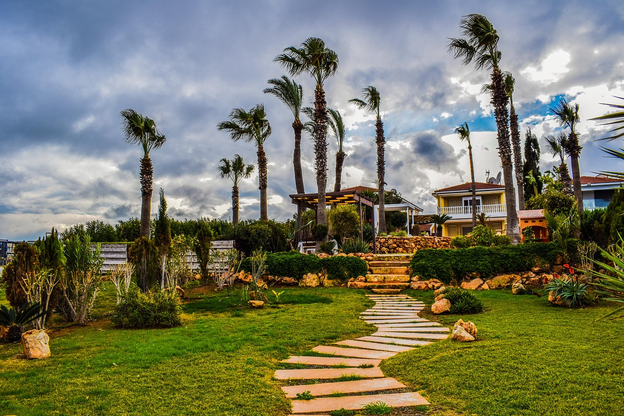





From shifting buyer demographics to new digital tools, the market above €3 million looks very different from five years ago
The European luxury property market has undergone a quiet transformation. Five years ago, buying a high-end villa in the Mediterranean was largely a lifestyle decision — a holiday home, a retirement plan, perhaps a status symbol. Today, an increasing number of acquisitions above three million euros are driven by something more fundamental: a permanent relocation. Professionals, entrepreneurs and family offices across northern Europe are choosing to live where they once only holidayed, reshaping demand patterns across the continent’s most desirable destinations.
Who is buying European luxury property in 2026?
The typical luxury buyer has evolved considerably. Data from leading real estate consultancies across Spain, France and the Principality of Monaco points to a clear shift: buyers are younger, more internationally mobile and increasingly motivated by quality of life rather than pure investment returns. German, British, Swiss and Scandinavian nationals dominate transactions in the three-to-ten million euro bracket, while buyers from the Gulf states and North America are increasingly active in the ultra-premium segment above ten million.
What unites these buyers is a research-intensive approach. Studies suggest that high-net-worth individuals spend between 8 and 11 months researching a market before making a purchase. They conduct extensive desktop research, consult multiple sources, and place enormous value on discretion and personal referrals. Interestingly, most serious buyers actively avoid the mass-market property portals that dominate general residential search, preferring instead to work through trusted advisors or specialist platforms that pre-filter inventory to match their expectations.
The destinations driving demand
Monaco remains the benchmark for ultra-luxury European property, with average transaction values that dwarf any other market on the continent. Limited supply, fiscal advantages and unmatched prestige keep demand consistently ahead of availability. However, the Principality’s extraordinarily high entry point means that many wealthy buyers look to nearby markets for more space and lifestyle value while maintaining proximity to Monaco’s unique ecosystem.
Spain has arguably been the biggest story in European luxury real estate over the past three years. Marbella’s Golden Mile and La Zagaleta continue to attract buyers seeking contemporary villas with year-round sunshine, while Mallorca has matured into one of Europe’s most sophisticated residential markets — enclaves like Son Vida, Puerto Portals, and the Palma old town now rival the French Riviera for prestige. Barcelona offers an urban luxury proposition that no other Spanish city can match, complemented by the coastal elegance of Sitges, just 35 minutes south.
The French Riviera and the Alpine ski resorts of Courchevel, Megève and Verbier remain perennial favourites, though prices at the very top end have plateaued relative to the rapid growth seen in Spanish markets. For British buyers, France’s proximity and cultural familiarity continue to make it a natural first choice, though post-Brexit residency considerations have added complexity to the purchasing process.
How property search is changing at the top end
One of the most significant shifts in the luxury property market is how buyers discover properties. Traditional portals were designed for volume — listing as many properties as possible across every price range. This approach works well for the general market but creates friction for buyers seeking properties above three million euros, who find themselves sifting through irrelevant listings with inconsistent presentation quality.
A new generation of curated platforms has emerged to fill this gap. Service offering curated luxury real estate across Monaco, Marbella, Mallorca, and Barcelona, limits inventory to a strict selection of premium properties, and pairs each enquiry with dedicated concierge support. Others focus on specific niches such as off-market transactions, historic estates or new-build developments. What these platforms share is an understanding that at the highest end of the market, curation and personal service matter more than search volume.
What British buyers should consider
For UK-based buyers, European luxury property remains highly attractive but requires careful planning. Post-Brexit regulations mean that non-EU nationals face residency restrictions in most European countries — typically limited to ninety days within any one-hundred-eighty-day period without a visa or residency permit. Golden visa programmes, which previously offered a straightforward route to residency through property purchase, have been scaled back in several countries, including Spain and Portugal, though options remain in some jurisdictions.
Currency considerations also play an important role. The pound-to-euro exchange rate can significantly affect the real cost of a multi-million-euro acquisition, and many experienced buyers implement hedging strategies to manage this exposure. Working with a currency specialist alongside legal and tax advisors is standard practice at this level.
Tax implications vary considerably by destination. Acquisition costs in Spain typically range from 10 to 12 per cent of the purchase price when transfer tax, notary fees, and registration costs are included. France and Monaco each have their own fiscal structures that buyers should understand thoroughly before committing. Professional legal counsel with specific experience in international luxury transactions is not optional — it is essential.
Market outlook: what to expect
The structural drivers supporting European luxury property remain firmly in place. Climate migration from northern Europe shows no signs of slowing. Remote and hybrid working arrangements continue to free high-earning professionals from geographic constraints. Limited development land in prime locations — particularly in Mallorca, Monaco and the most desirable parts of the Costa del Sol — creates natural supply constraints that support long-term price appreciation.
For serious buyers, the key lesson from recent years is clear: the European luxury market rewards those who approach it with patience, professional guidance and a clear understanding of their priorities. Whether the goal is a permanent lifestyle change, a strategic second home or a long-term investment in prime real estate, the opportunities across southern Europe have never been more compelling — provided buyers know where and how to look.
ref : 4306.37573

 POSTED BY