




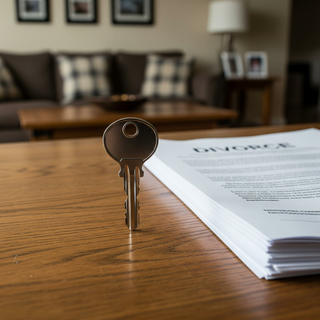
Deciding what happens to the family home can shape the outcome of a divorce in lasting ways. Some couples aim for a clean financial break, while others focus on stability, especially where children are involved. Each route carries different implications for cost, timing, and long-term arrangements.
Clarity often comes from looking at how each option works in practice. Property decisions are rarely isolated. They connect with income, childcare, and plans, which makes a balanced view essential before reaching an agreement.
Is It Better to Sell or Keep the Family Home After Divorce?
Selling the home often appeals to those who want to separate finances fully. Once the sale completes, joint ownership ends, and each person can move forward independently. This route can reduce ongoing ties and simplify future planning.
Keeping the home can suit situations where stability matters more than a clean break. Children may remain in familiar surroundings, and one person can continue living in the property. Financial links may remain for a period, especially where ownership is shared or sale is delayed.
How Does Selling the Family Home After Divorce Work in Practice?
Selling usually begins once both parties agree that the property should be placed on the market. Estate agents become involved, followed by viewings and negotiations with buyers. Once an offer is accepted, conveyancing starts, and the sale moves towards completion.
Sale proceeds are divided according to an agreed settlement or court order. That division takes into account factors such as income, childcare responsibilities, and future housing needs. Mortgage debts are cleared as part of the process, which helps bring financial separation into focus.
Timing can vary. A strong market may support a quicker sale, while slower conditions can delay progress. During that period, decisions still need to be made about mortgage payments and maintenance costs.
Practical steps help reduce friction. Clear communication, agreed pricing, and early legal input can all support a smoother sale.
How Does Keeping the Family Home After Divorce Work in Practice?
Keeping the home involves one party remaining in the property while ownership arrangements are adjusted. This can take several forms. One option involves transferring ownership fully to one person, often alongside a financial settlement elsewhere.
Another approach allows both parties to retain an interest in the property for a set period. Arrangements such as deferred sale orders may apply, especially where children are still living at home. The sale may then take place at a later stage.
Mortgage lenders must approve any changes. Affordability checks play a central role, and refinancing may be required. Ongoing costs such as repairs and insurance also need to be considered.
Clear agreements reduce future uncertainty. Written terms covering ownership shares, sale triggers, and financial responsibilities can prevent disputes later.
How Do Family Law Solicitors Approach Property Decisions After Divorce?
Property decisions rarely sit in isolation. Legal professionals review income, assets, housing needs, and any childcare arrangements before advising on next steps. The aim is to reach a fair outcome that can be sustained over time.
Negotiation often forms part of the process. Many London divorce lawyers work to resolve matters without court, where possible, using structured discussions or mediation. This can help reduce conflict and support workable agreements.
Guidance also focuses on enforceability. A settlement needs to be legally sound to avoid later challenges. London family solicitors regularly prepare consent orders that formalise agreed terms and provide clarity for both sides.
Complex situations often lead people to seek divorce advice from Stowe Family Law London, particularly where property, finances, and child arrangements overlap. A family law firm in London may also assist where negotiations stall or where court input becomes necessary.
Which Option Offers More Stability for Children?
Children often remain a central concern during divorce. Keeping the home can support continuity in schooling, friendships, and daily routines. Familiar surroundings may help reduce disruption during an already challenging period.
Selling the home may involve relocation. New schools or travel arrangements may need to be considered. Some families manage this transition smoothly, especially where planning happens early.
Courts tend to consider housing stability when children are involved. Practical arrangements that support their welfare are often given weight during decisions.
What Are the Cost Differences Between Selling and Keeping the Home?
Selling involves several upfront costs. Estate agent fees, legal expenses, and moving costs all need to be factored in. Sale price can also fluctuate depending on market conditions, which may affect how much each party receives.
Keeping the home shifts the focus to ongoing affordability. Mortgage repayments, maintenance, and household bills remain in place. Refinancing costs may arise if ownership changes.
Hidden costs can emerge in both options. Delays in selling may increase holding costs, while keeping a property without sufficient income can create financial pressure over time.
Does Selling or Keeping the Home Reduce Future Disputes?
Selling tends to reduce the risk of future disagreements. Once the property is sold and proceeds divided, shared ownership ends. That clarity can help both parties move forward with fewer points of conflict.
Keeping the home can leave room for disagreement if terms are unclear. Issues may arise around maintenance, equity shares, or future sale conditions. Written agreements play an important role in limiting these risks.
Legal clarity supports both routes. Formal documentation ensures expectations are set out clearly from the start.
When Does Selling the Home Make More Sense Than Keeping It?
Selling may suit situations where affordability is uncertain or where both parties want financial independence. High-value properties with significant equity can also make sale an efficient way to divide assets.
Disagreements over ownership or future plans can push couples towards sale. A clear market value provides a neutral basis for division, which can help resolve disputes.
When Does Keeping the Home Make More Sense Than Selling It?
Keeping the home often fits where children benefit from staying in familiar surroundings. Stability can be a strong factor in these cases, particularly during school years.
Financial capacity is key. One party must be able to meet mortgage and maintenance costs. Clear agreements around ownership and future sale also support this route.
Common Mistakes When Deciding Whether to Sell or Keep the Family Home
- Delays in decision-making can increase financial pressure
- Informal agreements may lead to disputes later
- Mortgage lender approval is sometimes overlooked
- Long-term affordability is underestimated
- Legal documentation is left incomplete
Each of these issues can complicate what might otherwise be a straightforward decision.
Selling vs Keeping the Family Home: Side-by-Side Comparison
| Factor | Selling the Home | Keeping the Home |
| Financial separation | Clear break after sale | Ongoing financial link may remain |
| Timing | Depends on market conditions | Often quicker if agreed |
| Cost direction | Sale and moving costs | Ongoing mortgage and upkeep |
| Stability for children | May require relocation | Greater continuity |
| Control over outcome | Influenced by market | Dependent on agreement |
| Risk of disputes | Lower after completion | Higher without clear terms |
| Flexibility | Limited once sold | Can allow deferred arrangements |
| Complex finances | Can simplify division | May require structured planning |
Deciding What to Do With the Family Home
Each option brings different financial and practical effects. Selling can support a clean break, while keeping the home may offer stability where it matters most. Personal circumstances shape what works best.
Clear agreements, realistic financial planning, and early legal input can reduce uncertainty. Careful evaluation at the right stage helps avoid complications later and supports a more stable outcome for everyone involved.

 POSTED BY