

Should you change the locks on a new home ASAP, or is it fine to wait? We spoke to a top-rated Yorkshire locksmith to find out – top tips & insurance caveats.
Top Reasons to Change the Locks When You Have Moved to a New Home
Should you change the locks on a new home you’ve just moved into ASAP, or is it fine to wait? It’s a question first-time buyers and seasoned property owners both ask, especially when moving-day to-do lists spiral into part-time job territory. Moving is already stressful enough, so bumping back a few bits of life admin can afford you a little respite amidst the chaos and boxes… boxes everywhere…
To find out whether sorting your home’s locks is something you should complete on day dot, we spoke to a master locksmith about the trade-offs between security and convenience, as well as the reasons why homeowners should always replace the hardware on their new place.
Meet the Specialist
Steve Gilmour is the owner and master locksmith behind The York Locksmith Company, a local firm that has served property owners across North Yorkshire for a decade.
Do Homeowners and Landlords Strictly Need to Replace the Locks on a New House?
If you were considering shrugging off the task, you’re not alone. Yale’s latest survey of 2000 UK homeowners (2022) revealed that only 11% prioritised changing the locks on their new house; that’s 4% less than the number of folks who put making a cuppa at the top of their to-dos – how very British!
More concerningly, this tracks with the study’s other findings: 65% of respondents admitted they hadn’t upgraded their security in the last two years, despite 59% saying they would invest in home security products for peace of mind. Clearly, the intention is falling by the wayside.
“I understand why it’s tempting to put off a lock upgrade, when there are so many other chores to juggle”, says locksmith Steve Gilmour. “However, any security professional will tell you that forgoing this essential maintenance can compromise your home’s or your tenants’ security in a major way – even if the locks seem to work fine or look like they may have been replaced fairly recently. You don’t know who still may hold the keys or whether its security credentials are up to par.”
As with most things in life, home security usually involves a trade-off of some kind. In the case of lock systems, you can put the key constraints into a handy “iron triangle”: convenience (speed), security (quality) and affordability (cost). Here, it might be annoying to spend some time changing the locks and paying at a higher price point, but ultimately, it increases your property’s protection.
Must-Know Reasons for Changing the Locks on Your New House
Now that it’s settled that keeping your locks updated is a non-negotiable security-wise, let’s look closer at the ‘why’. Below are some concrete reasons why locksmiths recommend swift action so strongly.
Who Knows Who Still Has the Keys?
This is a prevalent blind spot among homeowners:
According to data from Ultion, a leading British security brand, two in five Brits can’t account for the number of keys their home has, and one in ten has lent out a house key that was never returned.
So, in all likelihood, there are several keys to your home in circulation, sitting in a stranger’s dusty drawer or even still attached to their keychain. Consider that 20% of UK homeowners have never changed their front door lock, and you have a recipe for unnecessary risk.
“No matter whether it’s just a neighbour, property agency or previous occupant with a copy, that’s not a risk worth taking”, says Gilmour. “Realistically, you know zero about them, and this is before we even think about who else might have a backup. Tradespeople, babysitters, cleaners, former partners or housemates – the list quickly adds up.”
Your Hardware Might Be Out of Date & Thus Compromised
Most locks age out of optimal protection after 5-10 years, meaning that the lock you end up with might be invisibly compromised. Issues like broken pins, a faulty gearbox, or internal debris buildup from years of neglect can be hard to diagnose at a glance and leave you vulnerable to unexpected faults.
This is doubly true of homes that predate modern lock security standards, like Victorian terraces, pre-war semis, and old farmhouses dotting around Yorkshire. Many urban areas have significant amounts of pre-1950s housing, whose original security hardware, if left untouched, is seriously outdated.
Criminals Sometimes Target New Homeowners
Another thing to watch out for is that some criminals target new homeowners, in part because they can capitalise on some of life’s most stressful events: packing up and moving your entire life.
A big moving van parked out front of a seemingly unprotected home is a beacon to would-be offenders, particularly if they’d spied valuables entering the property. The best way to avoid a break-in is to ensure your locking systems are adequate and pair them with visual deterrents such as a door cam, security light, alarm, or even a window sticker. The trade-off of effort for peace of mind is more than justifiable.
Your Home Insurance Policy Might Require It
Some home insurance providers won’t pay out on a burglary claim if they find out you haven’t upgraded the locks on your new home. Sometimes they won’t even offer a home cover quote until you provide proof of the replacement.
For your policy to be considered valid, ensure that one of the following is sealing your exterior doors tight:
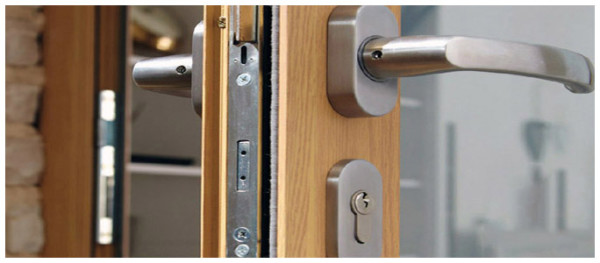
- A BS3621-rated five-lever mortice lock (for timber doors)
- Multi-point locking systems certified by PAS 3621 or TS007 standards (for uPVC doors)
- TS007 or PAS 24-rated cylinders (for Euro lock systems).
Recommended Timeline for an Upgrade
You might be wondering how soon after move-in day you should upgrade your locks. In most cases, the safest option is to do so immediately upon moving in, which requires pre-planning and a clear picture of completion dates well in advance.
Of course, not every property transfer goes smoothly; minor delays rippling down the chain are common, making on-the-day bookings easier said than done.
“Since criminals sometimes target vulnerable households, knowing that they’ve just moved and might not be 100% on the ball, changing your locks in the first few days after the key exchange is highly advisable, says Gilmour. “This keeps you protected when you’re most at risk and gets the hassle out of the way faster. Usually, a local locksmith like myself can get the job done in less than 30 minutes per door, so it’s really not too much of an inconvenience.”
If in doubt, and depending on the type of door, you could replace the hardware yourself. For example, a simple barrel lock replacement takes only 5 minutes.
Conclusion: Your Home’s Thresholds are Worth Reinforcing Sooner Rather Than Later
The thresholds of your home are its weakest points, so they deserve your full, immediate attention.
So, once your removal team has unloaded the van, put your boxes into all the correct rooms, and pulled out of the drive, the next thing to check off the list is your door locks – perhaps after you’ve refuelled with a quick bite to eat.
Whether that means a trip to B&Q for a new barrel lock or waiting for your local locksmith to arrive, make sure the replacement meets the British Standard or relevant star rating for home cover-compliant security. With that finally sorted, you can pop your feet up as a well-deserved reward.
Lock Changing FAQs
Should You Change the Locks When You Buy a New House?
Yes, changing the locks when you buy a new house is strongly recommended, even if the existing locks appear secure. You can’t be certain who still has spare keys, including previous owners, tenants, neighbours or tradespeople.
How Soon Should You Change the Locks After Moving House?
Ideally, you should change the locks on moving day or within the first few days after receiving your keys. This helps protect your property and belongings from unauthorised access while you’re settling into your new home.
Does Home Insurance Require You to Change the Locks When Moving House?
Not all home insurance policies require you to change the locks when moving house, but some insurers specify minimum security standards or conditions relating to key access. Check your policy documents to establish whether your existing locks meet the insurer’s requirements.
Can You Change Your New House Locks Yourself?
Yes, you can change certain types of door locks yourself, particularly straightforward Euro-cylinder barrel locks, which can take just a few minutes to replace. However, more complicated locking mechanisms may require a professional locksmith to ensure they’re fitted correctly and meet relevant security standards.
Ref: 4389.38491
 POSTED BY