



British homeowners are increasingly seeking ways to make the most of their gardens year-round. Outdoor spaces are no longer seen as useful only in summer. Instead, they are becoming an important part of everyday living, offering light, views and breathing space in all seasons. Reliable garden access is crucial to making this possible, particularly in a climate characterised by frequent rain, shifting temperatures, and sudden weather changes.
Poorly planned access points can lead to draughts, water ingress and slippery thresholds. Over time, these issues reduce comfort and limit the frequency of garden use. Thoughtful design choices help create a smoother transition between indoors and outdoors, protect interior spaces, and keep gardens an integral part of daily life year-round.
Why Year-Round Garden Access Matters in the UK
Garden access has a direct impact on how a home functions across the British seasons. When entry points are easy to use and well-protected, outdoor areas feel closer and more inviting, even during colder months. Large glazed openings allow daylight to reach interior spaces, thereby improving comfort during darker periods of the year.
Clear access also supports practical daily routines. Wet weather often brings muddy shoes and damp clothing, making durable thresholds and well-sealed doors essential. When access points perform properly, homes stay cleaner and more comfortable while still allowing regular use of the garden.
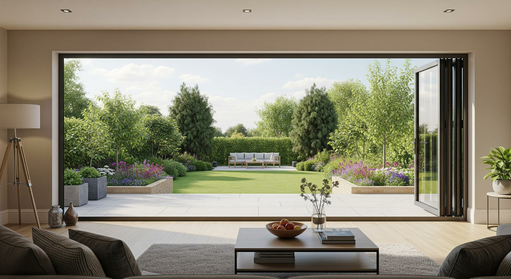
Well-designed door systems also help maintain a visual connection with greenery during autumn and winter. Views across planting, lawns, and patios provide a sense of openness, helping indoor spaces feel less enclosed during periods when people spend more time indoors.
Choosing Door Systems That Support All Seasons
Selecting the right door system is one of the most important decisions when planning year-round garden access. Bifold doors are widely used because they offer flexibility, wide openings and strong weather performance when correctly specified. Their ability to fold neatly away in warmer months and seal tightly when closed makes them suitable for changing conditions.
Many homeowners choose aluminium bi-fold doors because they offer strength, slim profiles and long-term durability. Their robust frames support large panes of glass, allowing plenty of natural light to enter the home even when the doors are closed. When installed correctly, these doors withstand rain, wind, and the temperature changes common across the UK.
High-quality hardware and precise installation are essential. Smooth operation, secure locking and tight seals all contribute to doors that perform reliably throughout the year. These features help prevent draughts in winter while allowing full ventilation during warmer months.
Designing Effective Transitions Between Indoors and Outdoors
The area where the home meets the garden deserves careful attention. A well-planned transition zone supports comfort, safety and cleanliness across all seasons. Flush thresholds reduce trip hazards and allow easy movement between spaces, while still protecting against water ingress.
Materials used in these areas should be chosen for durability and grip. Slip-resistant flooring helps manage wet conditions and creates confidence when moving between indoors and outdoors. Consistent floor levels also support accessibility, making garden spaces more accessible for everyone.
Sheltered zones, such as small overhangs or recessed door positions, provide additional protection from rain. These features create a buffer between indoor comfort and outdoor conditions, helping to limit heat loss and reduce exposure during poor weather.
Material Choices for Long-Term Weather Resistance
The British climate places heavy demands on building materials, particularly those exposed to the elements. Aluminium frames are often favoured for garden access points because they resist warping, swelling and decay. Unlike some alternatives, aluminium remains stable through temperature changes and requires minimal maintenance.
Modern aluminium door systems include thermal breaks that improve insulation and reduce heat transfer. This helps maintain indoor comfort during colder months while supporting energy efficiency. Combined with high-performance glazing, these systems allow light in without compromising warmth.
Glass specification is equally important. Double or triple-glazed units with appropriate coatings help balance heat retention and solar control. This ensures interiors remain comfortable in winter while avoiding excessive heat gain during sunnier periods.
Adapting Garden Access for Seasonal Changes
Garden access systems benefit from small seasonal adjustments that improve performance year-round. During summer, wide openings allow fresh air to circulate freely. Insect screens and shading solutions can improve comfort without restricting access.
Autumn is an ideal time to prepare for the wetter conditions that are to come. Clearing debris from door tracks and checking drainage points helps prevent blockages. Seals and hinges should be inspected to ensure they continue to operate smoothly as temperatures fall.
Winter places greater emphasis on insulation and draught prevention. Well-fitted doors with multi-point locking systems help maintain tight seals and reduce cold spots. Managing condensation through ventilation and quality glazing also supports comfort.
Spring offers an opportunity for thorough cleaning and maintenance. Tracks benefit from lubrication, glass surfaces can be refreshed, and seals can be checked for wear. These simple steps help ensure doors are ready for increased use as warmer weather returns.
Integrating Technology for Year-Round Comfort
Advances in home technology have enhanced the performance of garden access systems throughout the seasons. Automated sensors can respond to changes in temperature or weather, thereby supporting energy efficiency and comfort without requiring constant manual adjustments.
Lighting plays an important role in year-round access. Well-positioned external lighting makes gardens usable during darker evenings and improves safety around doorways. Automated lighting systems can adapt to seasonal changes in daylight, ensuring consistent visibility.
Smart heating controls can also support comfort near garden access points. Adjusting temperatures based on door usage patterns helps maintain warmth without unnecessary energy use. Together, these technologies support seamless use of garden spaces throughout the year.
Next Steps for Better Garden Access
Creating garden access that works year-round requires thoughtful planning, durable materials, and attention to detail. When door systems, thresholds and surrounding spaces are designed with the British climate in mind, gardens become a valid extension of the home rather than a fair-weather feature.
Investing in well-designed access points supports comfort, usability and long-term performance. Homes benefit from increased light, improved connections with outdoor spaces and greater enjoyment of gardens throughout the year.

 POSTED BY