



Selling a house is stressful. Nobody pretends otherwise. But much of that stress comes from things you can control, and most of it occurs before the listing even goes live.
Here’s the thing. Buyers are fussy. They’ll flick through thirty listings on their phone while the kettle boils. If your photos don’t grab them, that’s it. They’re gone. No second chance.
The good news? Getting your home ready doesn’t take a fortune. It takes a weekend or two, a bit of honesty about the state of the place, and a plan. This is the plan.
Decluttering
Start with this one. It’s free, and nothing else on the list makes a bigger difference.
Buyers need to imagine their own life in your house. Their sofa. Their kids’ drawings on the fridge. That’s hard to do when your stuff is everywhere. And there’s a practical problem too. Cluttered rooms look small. A boxy third bedroom crammed with exercise equipment and ironing piles reads as “too small to use”, even when it isn’t.
Try this. Walk in through your own front door and pretend you’ve never seen the place. What hits you first? The nice bay window, or the mountain of shoes in the hallway?
The air fryer, toastie maker,,Do one room at a time. Honestly, don’t try to blitz the whole house in a day. You’ll run out of steam by lunchtime and end up with six half-sorted rooms instead of two finished ones.
The spots that matter most:
- The hallway. It’s the first thing anyone sees. Coats, shoes, post, school bags. All of it needs a home somewhere else.
- Kitchen worktops. Kettle stays. Air fryer, toastie maker and the fruit bowl full of keys and batteries all go in a cupboard.
- Wardrobes. Buyers open them. Everyone does it. A wardrobe bursting at the seams says “not enough storage” louder than any estate agent ever could.
- Kids’ toys. Get a couple of big baskets. Ten minutes before a viewing, everything goes in.
- Family photos. You don’t need to strip the walls bare. Just thin them out a bit so buyers can picture their own photos there instead.
Not ready to bin things? Fair enough. A small storage unit costs about £50-£100 a month in most of the UK. If it helps the house sell a few weeks quicker, it’s money well spent.
One thing, though. Don’t just shovel everything into the loft or the garage. Buyers look in there too. A chaotic garage undoes all your good work in about four seconds.
Minor Repairs
Small faults plant big doubts. That’s the problem with them.
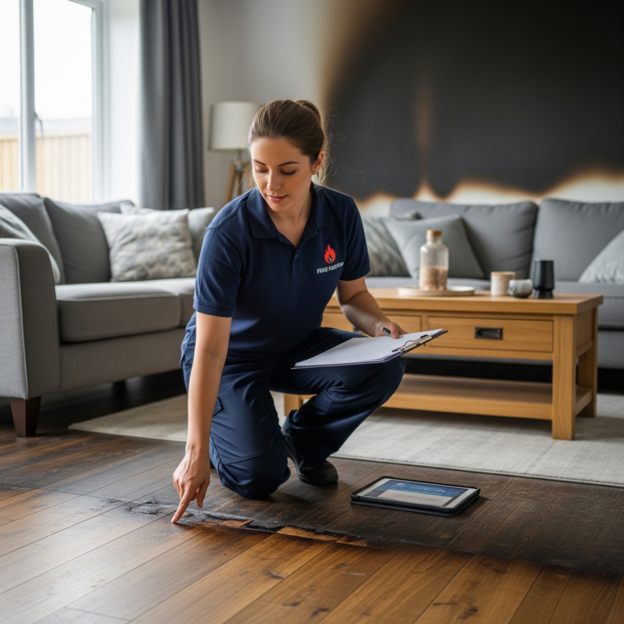
A dripping tap costs a couple of quid to fix. But leave it dripping during a viewing and the buyer starts wondering. If they couldn’t be bothered with the tap, what about the boiler? The roof? The damp course? One tiny fault and suddenly they’re suspicious of everything.
Grab a notepad and walk around the house as a stranger would. Even better, get a friend to do it with you. You’ve stopped noticing the wonky handle and the chipped skirting board. They haven’t.
The usual suspects:
- Mouldy or cracked sealant around the bath
- Doors that stick, handles that rattle
- Scuffed skirting boards and door frames
- A loose tile or two in the kitchen
- Blown bulbs (such an easy fix, and so many people forget)
- Squeaky hinges, dripping taps
- Tired grout. A £5 grout pen sorts this in an afternoon.
Most of these cost under £20 and take less than an hour. Compare that with what happens if you leave them. Visible defects are one of the most common reasons buyers chip away at the price, and they’ll usually knock off far more than the fix would have cost you.
Worth repainting? Depends. If the walls are scuffed or you went through a bold feature wall phase, a tin of neutral emulsion at £25 is probably the best money you’ll spend all year. Whites, soft greys, warm neutrals. Boring? Maybe. But boring photographs beautifully.
One thing you must never do. Don’t paint over damp and hope for the best. The survey will find it, the sale will wobble, and you’ll have burned the buyer’s trust for nothing. Fix the cause or be upfront about it.
Roof Inspection
Quick question. When did anyone last actually look at your roof?
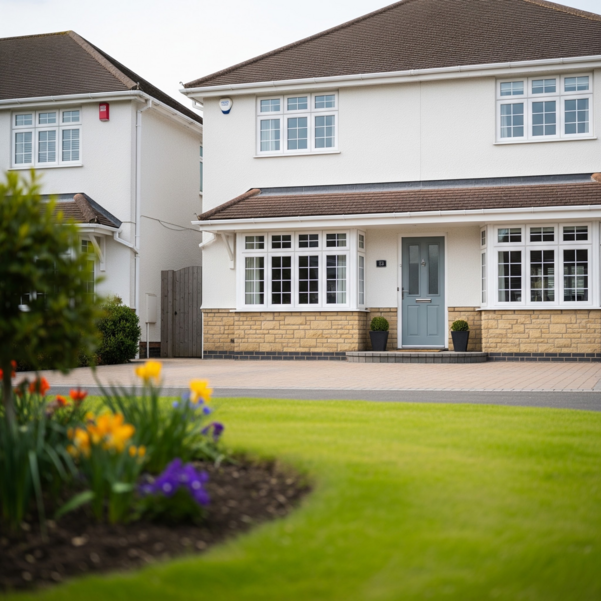
For most homeowners, the answer is never. Not once. And yet the roof is one of the first things a surveyor checks and one of the most common reasons a sale grinds to a halt. If the survey flags slipped tiles or dodgy flashing, the buyer suddenly has a very good reason to renegotiate. Roof issues raised at the survey stage regularly knock thousands off the agreed price. Often far more than the repair itself would have cost.
Getting ahead of it is easy. Have the roof looked at before you list. If there’s a problem, you fix it on your terms and your timescale, not in a panic three weeks before exchange.
You can spot the warning signs from the ground:
- Slipped, cracked or missing tiles
- Moss building up (it traps moisture against the roof)
- A sag along the ridge line
- Overflowing gutters are leaving stains on the wall
- Crumbly mortar around the chimney
- Damp patches on bedroom ceilings
Seen something? Don’t get the ladder out. Please. Roofing is dangerous work without the right kit, and A&E costs a lot more than a call-out.
If you’re in Norfolk, Point Roofing is an experienced roofing team covering Norwich and the surrounding areas, and they can inspect your roof properly before you list. A few slipped tiles sorted now might cost a couple of hundred pounds. The same tiles found by the buyer’s surveyor could cost you thousands at the negotiating table. Not a difficult sum, that one.
And there’s a bonus. A clean survey keeps the sale moving. Fewer queries, fewer delays, less chance of the chain falling apart while everyone argues about tiles.
Choosing a Removals Company
This is the one that catches everyone out. You’d be amazed at how many people leave booking removals until the week before completion, only to discover every decent firm is fully booked.
Here’s why it matters now, before you’ve even listed. Completion dates often come with only a week or two of notice. Fridays go first. The end of the month comes first. School holidays? Forget it. Leave it too late, and you’re stuck with whoever happens to be free, at whatever price they fancy charging.
So start looking as soon as the house goes on the market. You’re not booking yet. You’re building a shortlist so that when the exchange happens, you make one phone call and it’s done.
What separates the good firms from the cowboys:
- They survey before they quote. In person or by video call. Anyone offering a firm price over the phone without seeing your stuff is guessing, and guesses turn into “extras” on the day.
- Insurance in writing. What’s covered in transit, and up to how much?
- Recent reviews. Read the actual comments, not just the stars. Were they on time? Careful with the fragile boxes.
- A properly written quote. Packing materials, dismantling beds, waiting time. Is it all included or does it cost extra?
- Trade body membership. Not a guarantee of anything, but a decent sign they take it seriously.
For a typical three-bed house move within the UK, expect between £600 and £1,200, with higher rates for long distances or full packing. Always get three quotes. The gap between the cheapest and dearest for the exact same move can be several hundred pounds.
Think about it like this. You wouldn’t book the wedding venue a week before the wedding. Moving day deserves the same respect.
Final Clean
Everything else on this list gets buyers through the door. The clean is what they remember when they leave.
A spotless house says one thing loud and clear. This home has been looked after. Dirt says the opposite, and buyers assume neglect they can see means neglect they can’t. Kitchens and bathrooms matter most here because they’re the rooms buyers judge most harshly and the priciest to rip out and replace.
Where to focus:
- Windows, inside and out. Clean glass means more light. Light sells houses. Simple as that.
- The oven. A greasy oven is grim, and everyone looks. A professional oven clean runs £60 to £90, and the difference is genuinely startling.
- Grout and sealant. Bright white grout takes years off a bathroom.
- Carpets. Hire a carpet cleaner for the weekend, about £30. Lifts the stains and the smells you’ve long since stopped noticing.
- Speaking of smells. You can’t smell your own house. Viewers can. Open the windows before every viewing, and don’t drown the place in air freshener. Buyers wonder what you’re covering up.
Worth paying a professional? For most people, yes. A one-off deep clean costs £150-£300 for an average house. Against the price of the property, it’s pocket change.
And keep it up. Not just for the photos, but for every single viewing after. Buyers who fall in love with the listing photos and then walk into a mess feel like they’ve been had. Ten minutes of tidying before each viewing protects everything else you’ve done.
None of this is glamorous. It’s taps, tiles, and trips to the tip. But it’s the unglamorous stuff that gets houses sold. Work through the list before the board goes up, and you’ll open the door to your first viewing knowing the house is ready to fight for you.
 POSTED BY